
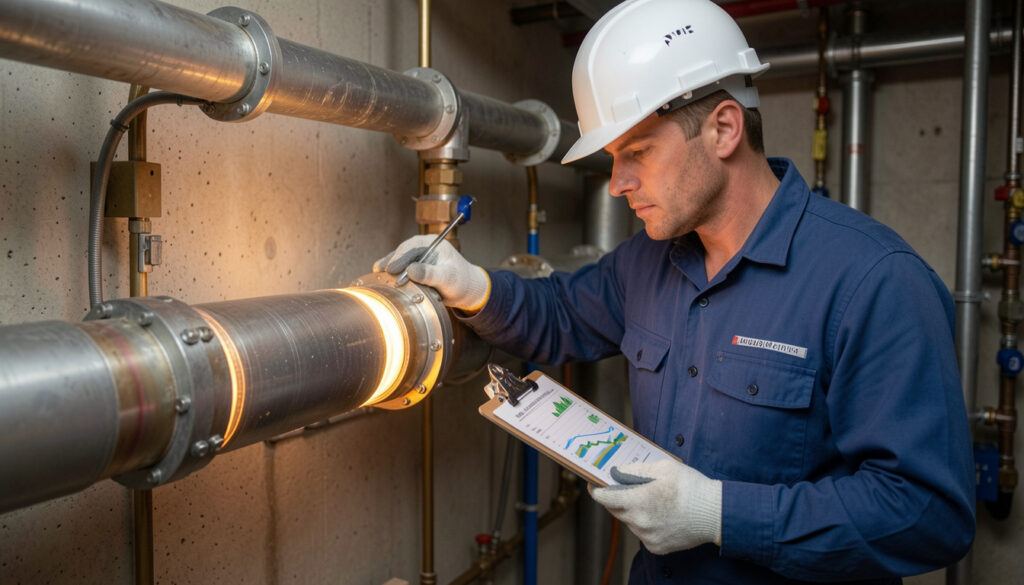
In case you’re dealing with a hard-to-clear clog, a cracked clay pipe due to tree roots, or a pipe that is leaking underneath the concrete floor, there is definitely one thing you must have heard of – trenchless pipe repair. And this is the best option for not having to excavate.
Nevertheless, the moment you start looking for a definite price, everything gets complicated very fast. One supplier gives you only a vague quote over the phone, while another charges you a fixed fee per meter, and the last one gives you an all-inclusive quote based on a camera survey.
Transparency is the core of what we do at Sydney No Dig Relining. We will not give you ambiguous quotes with hidden charges. The following guide provides an exact insight into how the cost of trenchless sewer pipe relining and stormwater pipe repairs in Sydney is calculated and the factors that can make it cheaper or more expensive.
How Much Does Pipe Relining Cost In Sydney?
In relation to a regular residential house in Sydney, the total cost of a commercial pipe lining service usually ranges between $3,000 and $15,000. It depends on the fixed initial cost due to the equipment setup, which costs roughly $2,500 plus the cost per linear meter, starting from $450 for each meter for a usual 100 mm pipeline in a residence.
The actual cost cannot be determined until the proper CCTV drain inspection of the pipeline has been done. This is done to assess the structure of the pipeline along with the number of joints to be cut out robotically.
Is Pipe Relining Cheaper Than Traditional Excavation?
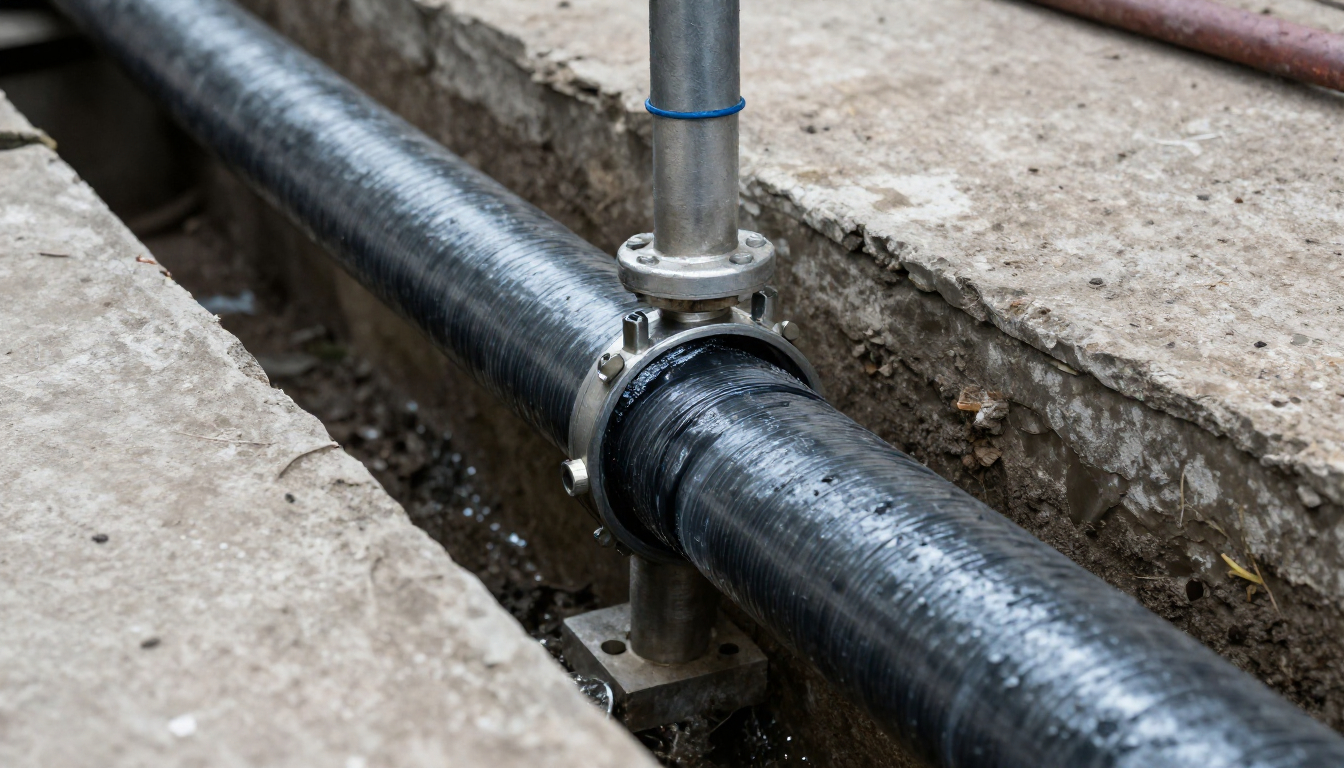
Pipe relining is always going to be much cheaper compared to conventional digging. While at first glance, the mechanical costs associated with re-lining a pipe beneath the surface may appear similar to those required for installing a PVC pipe via a trench, the real costs actually arise from digging itself. Trenchless techniques save on the high costs associated with breaking up and repairing driveways, concrete, fancy tiling, and mature landscaping.
When it comes to comparing structural pipe repair with conventional drain replacement, many people only think about the plumbing bill. But this is very much an oversight since conventional drain replacement normally involves excavation using an excavator or labour crew in order to access the damaged pipe.
The cost involved in digging the trench, installation of PVC pipes instead of clay, and refilling will probably range between $3,000 and $8,000. However, the most costly aspect of this process occurs after the job is done by the plumber. If this pipe goes through a marked driveway in Chatswood, a tile courtyard in the inner west region or a well-maintained garden in the Hills District, you may end up paying an extra amount of $5,000 to $20,000.
Trenchless no-dig pipe repair starts with the creation of tiny openings like those made by a pre-existing boundary shaft or an inspection point to introduce a fabric liner that has been saturated with resin right inside your faulty pipe. The process will create a whole new pipe that is structurally independent of the old faulty one without damaging anything on your yard and driveway.
Comparison Summary:
| Cost & Operational Factor | Structural Pipe Relining | Traditional Pipe Excavation & Replacement |
|---|---|---|
| Typical Total Residential Cost | $3,000–$15,000 | $15,000–$50,000+ (including surface restoration) |
| Property Surface Damage | No excavation required; driveways, gardens, and landscaping remain intact | Extensive excavation often damages driveways, gardens, paving, and landscaping |
| Average Project Duration | Typically completed in 1 day | Usually 3–7 days, depending on excavation and restoration work |
| Surface Restoration Costs | $0 | $2,000–$15,000+ for concreting, landscaping, tiling, or paving repairs |
| Council Permits | Rarely required | May be required when excavation affects public footpaths or roads |
| Structural Lifespan | Up to 50 years with an engineered epoxy liner | Varies depending on installation quality, pipe material, and ground movement |
What Is The Actual Cost Per Metre For Pipe Relining In Sydney?
The basic cost of pipe relining in Sydney is in the range of $450 to $550 per metre for conventional residential drain pipes with a diameter of 100mm to 150mm. It should be noted that each trenchless repair project has an equipment charge of approximately $2,500 for site preparation, hydro-jetting drain pipes, and transporting of equipment on-site. Hence, the actual cost per metre becomes high for short sections compared to entire pipes.
Having knowledge about the mathematics involved in the process ensures that there will be no surprises later on. One mistake that commonly occurs is using the length of the pipe that is believed to be damaged and multiplying it by a per-meter rate that was seen somewhere on the Internet. The truth of the matter is that it is impossible for a plumbing company to mobilise a machine like this and a team for only two meters’ worth of work.
The fixed cost of set-up involves the necessary steps of stripping away dense root ball formations, cleaning out scale from inside using hydro jetting, and doing camera inspections to ensure the integrity of the pipe prior to installing the lining system. Due to the fact that the set-up fee is fixed, the economy of scale works perfectly—the longer the length of pipe lined, the lower the cost per meter.
For example, one can take into consideration the way in which the overall cost breaks down depending on different lengths of structure in a typical 100mm sewer line within a housing development:
- A Short 2-Metre Structural Patch: $2,500 (Setup) + $900 (2m x $450) = $3,400 total.
- A Standard 10-Metre Continuous Line: $2,500 (Setup) + $4,500 (10m x $450) = $7,000 total.
- A Major 25-Metre Full-Run Renewal: $2,500 (Setup) + $11,250 (25m x $450) = $13,750 total.
What Technical Factors Drive Up The Price Of Trenchless Pipe Repair?
The key factors in the technical side of the cost in trenchless pipe rehabilitation include the diameter of the pipe itself, the length of the whole line, the complexity of any bends or junctions and the level of accessibility to the area. Larger diameters mean that much more epoxy resin is needed, along with larger fabric sleeves. Moreover, complex pipe junctions require complicated robotic cutting equipment in order to restore lateral connections after curing.
When we give you a definite price quotation after our free CCTV camera inspection and quote service in Sydney, we have assessed certain engineering factors that lie underneath. These are the technical factors and how they affect your budget:
How Pipe Diameter Changes Resin and Material Volume
The diameter of the pipe is the determining factor in deciding how much raw material will be required. A commercial stormwater pipe having a diameter of 150 mm offers a much bigger surface area when compared with a residential sewer pipe having a diameter of 100 mm.
Why Tight Bends and Complex Junctions Require Robotic Reinstatement
A straight line of pipe is easy to reline. However, if you have a complex system where there are many lines that connect into your one pipeline, such as an ensuite line or a gully line that connects up to the sewage pipe, then the lining will expand to cover the connection points. When the lining has set, we will use a specialised pneumatic robotic cutting tool that goes through the pipeline. This is done at each connection point and costs about $650 to $850 per point.
How Restrictive Site Access Impacts Equipment Mobilisation Costs
Even though trenchless plumbing does not require any digging at all, access to the piping system is required by creating an inspection pit, a boundary shaft, or disconnecting the toilet flange. If the location of access to the main part of the piping system from your side happens to be situated in a confined basement space, high retaining walls, or a rock formation, installing our equipment will take more time.
What Are The Hidden Dangers Of Selecting The Cheapest Quote?
Selecting the most affordable pipe relining quotation usually ends up causing numerous issues down the line. For starters, cheaper companies tend to reduce costs by opting for weaker silicate resins instead of durable epoxy, ignoring the robotic cutting out of joints that is required, or using substandard products that do not have a WaterMark certification.
The Material Trap: Silicates vs. Pure Structural Epoxy Resins
Structurally sound trenchless pipe lining requires the use of pure structural epoxy resins. The epoxy resin forms a bond that is very strong yet flexible, blending in with the host pipe while adjusting to movements in the ground. Cheaply operating contractors sometimes use alternatives such as silicate or polyester resins. These alternatives are generally very brittle and contract significantly during curing.
Bypassing WaterMark Compliance and Australian Standards
Each component used for any drain in Australia needs to have the official WaterMark approval. It guarantees that the material has been properly tested for being able to resist temperature changes, pressure, and different chemicals that may affect the drain system in households. Low-quality, non-branded, foreign-made liners do not have such an important certification. In case the liner without certification fails, it violates Australian building regulations, as well as your homeowner’s insurance contract.
When Is Pipe Relining Not The Right Solution For A Damaged Drain?
Relining cannot be done on a pipe that has fully collapsed, experienced serious backfall damage, or has lost its circular structure. The liner fabric material is very flexible and takes the shape of the already existing pipe. However, when large sections of the pipe structure have been lost due to soil erosion, only excavating can be considered.
Even as we are big believers in trenchless pipe repairs, there will be instances when this technique will not work, and we will definitely not recommend it in such cases. There are some situations where traditional digging cannot be avoided:
- Total Collapse: For the liner to be able to move forward, there must be a proper pathway for it. In case a part of the old earthenware pipe is completely flattened by the soil above it, then the only option is for that segment to be excavated and replaced in the normal manner.
- Extreme Drop in the Drain (Belly of the Pipe): In cases where a certain part of the drain has sunk significantly due to tectonic activity or soil erosion, the water will keep accumulating on that part because the structure will always be lower than the others. It would not be possible for the liner to correct the level and the physics involved in such a situation.
- Joints That Are Out of Line Beyond 50 Per cent: If two pipes are out of line beyond 50 per cent, the liner may accumulate at the joints.
Does A 50-Year Structural Warranty Add Real Value To Your Property?
A true 50-year structural warranty, which is supported by WaterMark-approved materials, increases the business value of the property in Sydney. It provides a structural warranty that protects the sale from potential drainage liabilities since it does not run the risk of being identified as a liability by the pre-sale building inspector.
It is not about making an investment in a plumbing solution when you buy a CIPP lining for your pipes, but rather about the property itself. Since you get a transferable 50-year structural warranty certificate, which complies with the Standards Australia rules, you change the problem into a strong selling point.
Is Trenchless Sewer Pipe Restoration Covered By Home Insurance?
Australian home insurance typically does not provide coverage for the expenses incurred for structural pipe relining due to normal wear and tear, aging, or even penetration of tree roots into the pipes. The insurance covers only unexpected occurrences; however, most insurers will compensate you for any damage caused by an unexpected burst pipe.
- Exclusions: As tree roots gradually get into your sewer line through weakened old clay joints over time, insurers treat it as a wear-and-tear issue.
- Coverage: In case of an immediate earth movement or weather event, which causes a sudden and catastrophic rupture in the pipe, causing a raw sewage flood in your house, the ensuing loss will be covered by insurance.
- Cover for Exploratory Work: Most premium builders’ insurance plans provide coverage under the cover for exploratory work. This implies that the cost of conducting a CCTV drain camera inspection and identifying the root cause will be paid for by your insurer.
How Do Local Sydney Conditions And Soil Types Impact Pricing?
These include factors related to the geology of the Sydney area and also its vegetation. This is because areas like Western Sydney have soils that are prone to reactivity, thus leading to a lot of movement of the pipes, while areas like the Hills District and Sutherland Shire have developed tree canopies which will need powerful hydro-jetting for root penetration.
- The Inner West region, for instance, is characterised by dense rows of aged pipes made from terracotta material that have a tendency to become loose.
- In Western Sydney and Parramatta, the expansive clay soil expands due to rain and hence leads to cracked and jagged vertical joints in the pipes.
- In the Hills District and Sutherland Shire, there are green and lush streets where the tree roots cause constant conflict with the pipes, hence hydro jetting.
- In the Northern Beaches and Eastern Suburbs, there are high levels of water tables, hence the need for an inversion system, which operates flawlessly in moist conditions.
Making An Informed Choice For Your Home
In regard to receiving cost estimates for pipe relining in Sydney, it should be known that the lowest quote on the page is not always the most cost-effective way to go. The cheaper estimate may use poor-quality materials or skip the important step of cleaning.
Trenchless pipe rehabilitation is an engineering marvel. Done right with quality, WaterMark-licensed epoxies, it becomes a fantastic long-term investment that will protect your home and avoid emergencies with your plumbing system.
If you’re looking for a cost-effective and transparent solution, don’t pay for drain clearing services that will give you only temporary relief. Contact the experts from Sydney No Dig Relining for a proper inspection right away. Our expert will use a high-definition camera to inspect your drains and provide you with an estimate.
Frequently Asked Questions
Why can’t I get an exact pipe relining quote over the phone?
Estimations made by phone are highly unpredictable since it’s not possible to determine the problem from symptoms only. In order to make an estimate for a fixed price, you need a CCTV camera survey to understand the diameter, length, and severity of damage.
What is the difference between inversion lining and patch relining costs?
In case of inversion lining, the process involves air pressure for long stretches, whereas patch lining involves repairs of individual spots. Despite the fact that patches are cheaper overall, their rate per meter is higher.
Will tree roots grow through a relined pipe in the future?
Not at all. Tree roots penetrate earthenware pipes via poor joints. The pipe relining process solves this problem by forming one continuous, jointless tube. No more opportunities for root invasion!
How long does the trenchless pipe repair process take?
The majority of trenchless repairs in Sydney are completed within just one day.
Are the materials used in pipe relining safe for drinking water lines?
Epoxy liners are used for stormwater and sewer lines; there are other coatings needed for water lines. We use WaterMark-approved products for drainage purposes.
What happens if a pipe relining installation fails during curing?
Should our liner fail because of the installer’s mistake, we apply our cutting equipment to remove it from the pipe.
