
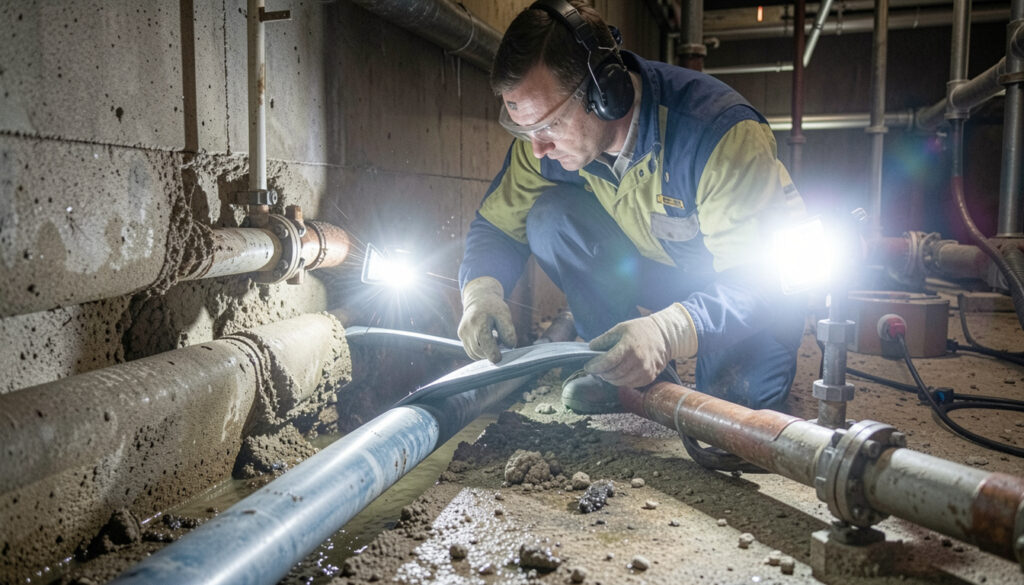
If you are regularly ringing up your local plumber to sort out the same clogged drain, you will know that there is a problem brewing. While the plunging or electro eel removal may offer some immediate assistance, the fact remains that as the pipework infrastructure becomes aged and worn, so too will any surface-level fixes be rendered ineffective.
It is the piping system under the ground at all locations throughout Sydney, from the Victorian homes of the Inner West through to the suburbs of Parramatta, Blacktown, and the Eastern Suburbs, that is under threat from the day-to-day pressures of life below ground level.
When it comes to the team at Sydney No Dig Relining, we see plenty of cases where customers have been spending thousands on cleaning out their drains until they realise their pipes are no longer viable. Early detection of the problem means that you can restore your pipe system using our trenchless solutions.
What Are the Signs Your Drains Need Relining?
Some common signs that you might require pipe relining near you are recurring blockages of the drain every few months, gurgling toilets, slow drainage of pipes, sewage odour indoors or outdoors, and inexplicable dampness of the grass. In the event that a CCTV drain survey uncovers cracked pipes, misaligned joints or continuous root penetration by trees, an epoxy pipe lining will offer a permanent solution without requiring excavation.
6 Major Warning Signs Your Drains Are Failing
Problems with drainage do not come up all of a sudden. Pipes buried beneath the ground degrade over time, giving off clear indicators before there is any failure in the system. These are the top six indicators that our plumbers often detect in Sydney.
1. Recurring Blocked Drains Every Few Months
If you have to pay for high-pressure hydro jetting or periodic cleaning of your drains on a quarterly basis, then you are treating a symptom rather than the underlying cause.
When the pipes in your sewer or stormwater lines are in good condition, then the blockages that are cleared out tend not to reappear instantly. However, if the old pipes keep on breaking and collapsing, then the fragments that break off along with the loose rubber seals will trap the toilet paper and other waste materials. As soon as the water starts flowing slowly, a new blockage will appear.
2. Slow Drains and Gurgling Toilets
Do you experience a pool of water collecting around your feet during showers, or does the water from the kitchen sink move at a slow pace? Is there any unexplained decrease in the water level in the toilet basin or a gurgling noise during the discharge of the washing machine?
The gurgling noise is caused by the presence of air bubbles within the drain line, which results from partial obstruction or the presence of sags within the plumbing system. When the water attempts to pass through the affected areas, the air pushes its way through the water traps within the fixtures.
3. Sewage Smells and Damp Patches Around Your Property
Drainage pipes underground act as a repository for any wastewater and the gas trapped inside them. If you detect the presence of foul smells in your laundry room, bathroom, or around the sides of the garden bed, then it’s not merely a smell, but the wastewater seeping through the cracked pipe.
Sewer lines can leak; therefore, the soil around them will be highly saturated. You will see:
- Sunken and unusually wet spots on your lawn despite no rains
- Grass spots growing extremely fast or appearing greener than other parts of the lawn
- Stinky water collecting near outdoor gullies or side passages
4. Soil Erosion and Foundation Movement
If the sewer lines start leaking, identifying the problem is not an easy task. The leaking wastewater erodes the subsoil layer under the slab, driveway, and brickwork. In the Western Sydney area, the clay soil reacts to water by swelling and contracting, and underground pipe leakages accelerate this process. With time, it leads to cracked pavement, cracked driveways, and even cracks on the exterior walls of the house. Fixing leaking pipes underground helps avoid potential dangers to the building’s structure.
5. Persistent Tree Root Intrusion in Pipes
The penetration of tree roots is the primary cause of drain pipe damage in Sydney. The native gum trees, jacarandas, and Moreton Bay figs seek out water sources in hot summers, leading them to the drains underground.
These trees detect small traces of water seeping through pinholes or worn-out ceramic joints. After getting inside, they thrive on the water and organic debris inside, forming clusters that finally crack the clay pipes.
While hydro jetting gets rid of the roots temporarily, it is like pruning hedges; the roots grow back more vigorously. But by relining the pipes, the access points will permanently be sealed.
6. CCTV Drain Inspection Shows Cracks or Offset Joints
While surface symptoms might give you an indication of the problem, an HD CCTV drain inspection will provide concrete evidence. In an HD CCTV drain inspection, a camera is inserted into your sewer or storm drain pipe, providing you with video of:
- Structural cracks or cracks running longitudinally
- Displaced or poorly aligned joint connections
- Corroded metal piping or corroded sections
- Invasive root growths that impede flow
A structural problem detected by the camera can be fixed using relining as a non-invasive pipe repair solution.
Ageing Infrastructure in Established Suburbs
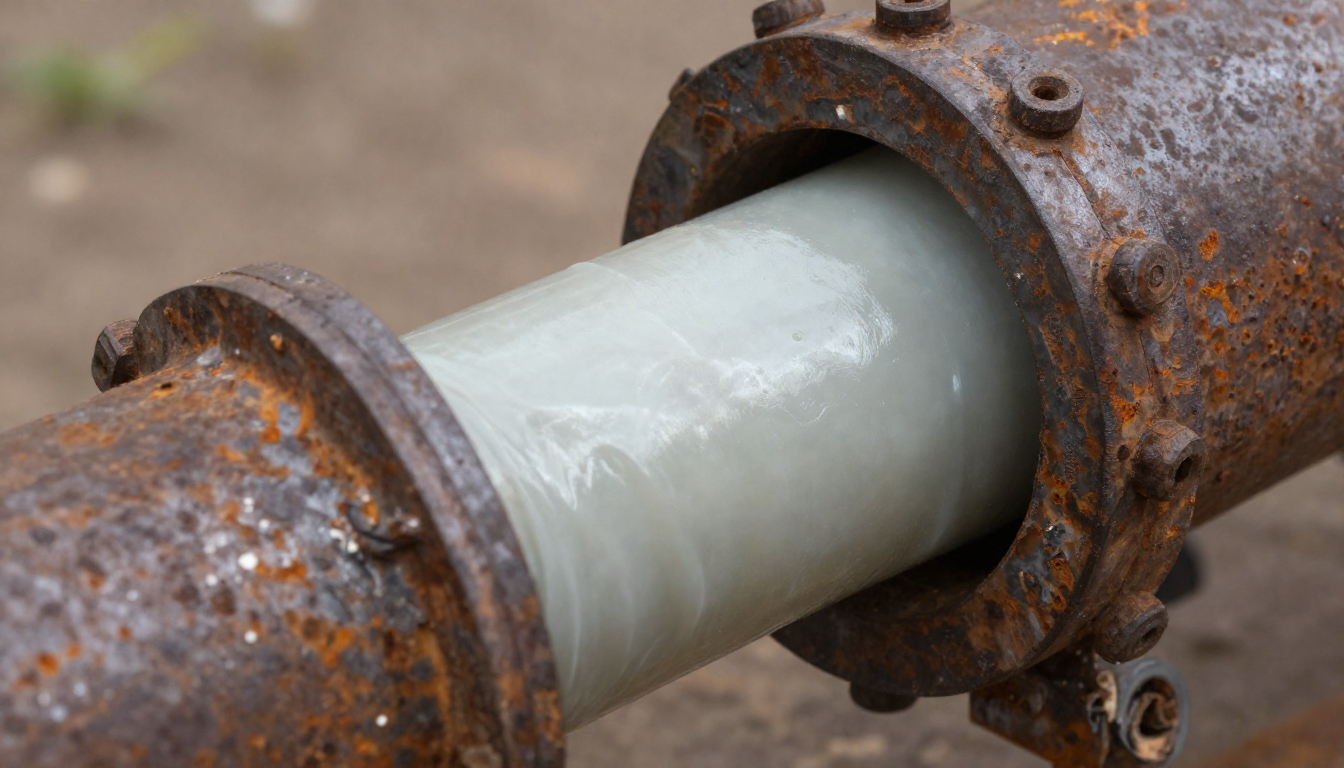
There is an abundance of old housing estates scattered in the Inner West, Eastern Suburbs, and North Shore regions that use their old vitrified clay pipes and earthenware pipelines installed decades ago. As time passes by, these materials become extremely brittle and susceptible to soil shifting and root penetration.
Reactive Soil and Weather Patterns
Reactive clay soils underlie suburbs located across Western Sydney and Parramatta that swell during rains and contract during extended periods of drought. Continuous movement of the soil causes cracking in the inflexible earthenware pipes while also creating gaps between PVC pipes at their rubber rings.
Pipe Relining vs. Traditional Replacement
In case the pipes were to break, there was nothing much that could be done but to hire an excavator to dig up driveways and lawns, manually fix the pipes, and pay thousands of dollars for the repair process. The trenchless technology for repairing pipes is more efficient.
| Feature | Modern Pipe Relining (No Dig) | Traditional Excavation |
|---|---|---|
| Property Damage | Zero digging required; works through existing access points | Destroys lawns, gardens, driveways, and pathways |
| Project Duration | Typically completed in 1 day | 3 to 7 days of heavy construction work |
| Disruption | Minimal noise, property remains fully accessible | Heavy machinery, high noise, limited property access |
| Structural Lifespan | Up to 50 years (engineered epoxy resin) | 20 to 50 years (depending on surrounding soil load) |
| Restoration Costs | $0 (no landscape restoration required) | Thousands of dollars in re-paving, retiling, or landscaping |
| Root Resistance | 100% seamless tube; eliminates joints where roots enter | Pipe joints remain vulnerable to root penetration |
Is Pipe Relining Nearby Worth It?
Of course, pipe relining is highly cost-effective in terms of expenses for the vast majority of Sydney homeowners. This technique eliminates expensive repairs to the driveway, patio, retaining wall, or garden landscaping that would be required after excavation. Epoxy liners for today’s pipes have life spans that can last up to 50 years.
How Long Does Pipe Relining Last?
The professional epoxy pipe lining will usually last up to 35-50 years. The epoxy resin is designed to cure inside the host pipe to form a perfect liner without joints. It makes the inner pipe much more durable in relation to root penetration, soil movements, and corrosion of the pipe itself.
Situations Where Pipe Relining Is Not Appropriate
Although there are no pipe relining services in Sydney that can solve all underground drainage issues, our skilled technicians perform comprehensive inspections to establish whether this service is right for you. Trenchless relining is not appropriate when:
- The Pipe Has Completely Collapsed: Epoxy coating requires a host pipe for its moulding. In cases where the pipe has totally flattened out due to excessive load weight, it becomes impossible for a liner to pass through and assume the required shape.
- There is a Severe Pipe Belly (Back-fall): When a pipe has sunk considerably due to the collapse of the soil beneath it, causing a fall, water will accumulate at the bottom regardless of whether or not there is an interior liner.
- Severe Deformity in Flexible PVC: Modern PVC pipes that have flattened or crushed out shapes due to improper backfilling when initially installed cannot be reshaped using a liner.
What Most Homeowners Don’t Realise: Myths and Delayed Repair Risks
In our daily experiences in Sydney, we are faced with the same misconceptions regarding drain wellness and plumbing services.
Myth: High-Pressure Hydro Jetting Fixes Blocked Drains
Fact: Hydro jetting is a process used in cleaning the system. Although high-pressure water works in removing tree roots and debris from the drain, it does nothing to repair cracks and open joints. The roots will find their way back into the system within a matter of months if it is not lined permanently.
Myth: Chemical Drain Cleaners Clear Sewer Lines
Fact: Commercial chemical drain cleaners are suitable only for clearing light blockages like grease or hair inside the sink trap. These chemicals cannot clear out any tree root blockage and cannot help mend damaged earthenware pipe. This is because the corrosive chemicals used just pass right through the tree roots.
What Happens If You Delay Sewer Pipe Repairs?
Neglecting the symptoms or seeking a quick fix only increases the danger involved:
- Underground Sinkholes: Leaking wastewater washes away supporting soil beneath pathways and property foundations, leading to structural instability.
- Property Flooding and Health Hazards: Raw sewage backing up into shower bases, floor wastes, or gardens poses immediate public health risks and causes costly water damage.
- Council & Water Authority Notices: Leaking private sewer connections can overflow into municipal stormwater drains, prompting enforcement notices or local councils requiring immediate, certified repairs.
Homeowner Diagnostic Checklist: Are Your Drains Failing?
Use this diagnostic checklist to evaluate your property’s drainage health before booking an inspection:
- Did you have to unclog any drain more than once in the last year?
- Do a few different fixtures, such as the toilet, shower, and sink, drain slowly simultaneously?
- Does the toilet bowl gurgle or drain water levels when other faucets are running?
- Are you experiencing a strong sewage smell around the garden bed or in drains?
- Have you found green patches of grass in the yard that appear to drain more quickly?
- Do you have any unknown cracks on concrete paving, driveways, or bricks located around the drain lines?
- Does your house exceed 30 years of age with original pipes made of clay or earthenware?
- Are there large and mature trees located 3 to 5 meters away from the sewer lines?
Checking any two or more boxes means that there may be structural deterioration of your drainage system. We would advise you to schedule an appointment for a camera inspection.
What Happens During a CCTV Drain Inspection?
Underground drain problem diagnosis can be done accurately with the help of a new CCTV drain inspection using the most advanced camera technology for checking:
- Accessing the System: We use our high-definition push-rod camera equipment that is self-levelling and send it down into your drainage pipe through any of the following ways.
- Pipe Scanning: The camera is threaded through the pipeline, transmitting real-time video footage to the monitor. The distance measurement devices accurately identify the exact position of the flaws to the millimetre.
- Damage Evaluation: We evaluate the condition of the pipe wall, joint positioning, root intrusion, and cracks within the structure.
- Strategy Development: We walk you through the video footage captured by the camera, so that you get a clear idea of the condition of your pipes and choose between relining and repair options.
Understanding Boundaries: Sydney Water vs. Private Property
One of the most common queries amongst owners of properties in Sydney is regarding who will bear the cost of repair to the drains. Under the guidelines provided by Standards Australia, the duties are well defined:
- Obligation of Private Property Owner: It is your obligation to pay the cost of all plumbing from your property boundary line up to either the connection branch or the jump-up where the plumbing connects to the mains.
- Utility Company Obligation: The utility company looks after all mains plumbing on the public street, on the easement or on adjacent properties.
In case there is any structural failure within your property line, you have to cover the cost of the repairs. The proper CCTV inspection determines the exact position of the damage within your boundary line.
Featured Snippet: How Much Does Pipe Relining Cost in Sydney?
Pipe relining in Sydney normally runs from $400 to $900 per metre, depending on the size of the pipe, access, overall length, and preparation required. While the initial cost per metre is about the same as excavation, relining results in huge savings when it comes to restoring the property, for example, fixing pavements, tiles, and gardens.
Protect Your Property’s Underground Drainage Infrastructure
Neglecting such drain clogging results in deteriorating structural integrity, leaking sewage and expensive emergency plumbing jobs. In case your property exhibits symptoms such as frequent blockages, toilet gurgling or sewer smell, a thorough professional examination helps understand the situation while the problem is still small-scale.
Our highly skilled professionals at Sydney No Dig Relining have years of experience dealing with such problems as underground pipes and repairing them using innovative and trenchless methods.
If you want to get a reliable and accurate assessment and a durable solution, feel free to request a quote and book a CCTV drain camera inspection.
Frequently Asked Questions
How do I know if my blocked drain is my responsibility or Sydney Water’s?
Your responsibility covers all drainage pipes on your property up to the connection point with the main sewer asset. A CCTV drain camera inspection accurately locates the defect relative to your boundary line, confirming whether the issue lies within your private plumbing or falls under Sydney Water’s authority.
Can tree roots grow through relined pipes?
No. Once an epoxy pipe liner cures, it forms a continuous, seamless structural tube with zero joints. Because tree roots enter pipes through open joints and cracks, eliminating these entry points prevents future root intrusion completely.
Do you have to dig up my garden or driveway for pipe relining?
No. Trenchless pipe repair accesses your underground pipes through existing openings, boundary traps, or inspection risers. We rehabilitate your broken drains from the inside out without disrupting lawns, paved areas, or concrete paths.
Can stormwater pipes be relined as well as sewer lines?
Yes. We reline both sewer lines and stormwater drains. Stormwater lines are frequently damaged by heavy rain cycles, vehicle traffic over shallow lines, and tree root invasion. Relining restores stormwater pipes to full flow capacity while preventing subsoil erosion.
How long does the pipe relining process take to complete?
Most residential pipe relining projects across Sydney are completed in a single day. Once the pipe is cleaned using high-pressure hydro jetting, the resin-impregnated liner is inserted, inverted, cured, and inspected—restoring full plumbing service rapidly.
What types of pipes can be relined in Sydney homes?
Epoxy pipe liners bond successfully to almost all common pipe materials found in Sydney homes, including vitrified clay, earthenware, cast iron, galvanised metal, unplasticised PVC (uPVC), and concrete pipes.
